Fox Thess Serif Font for Editorial Design
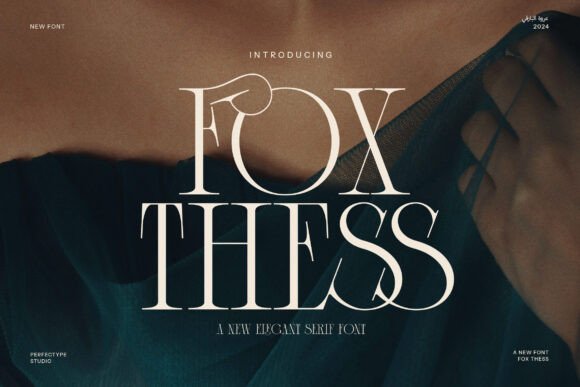
Fox Thess Elegant Serif Font is a sophisticated and modern typeface that blends timeless elegance with contemporary design. Its distinct, refined serifs and graceful curves make it a standout choice for editorial projects that demand both visual appeal and readability. As someone who regularly works with fonts across blogs, magazines, ebooks, and printable materials, I find Fox Thess to be an excellent addition to any designer’s toolkit.
With its clean lines and balanced proportions, Fox Thess brings a sense of professionalism and refinement to any layout. Whether you're designing a magazine cover, crafting a blog header, or creating a printable guide, this serif font offers a versatile foundation that supports both traditional and modern aesthetics.
Visual Characteristics and Editorial Appeal
Fox Thess is defined by its elegant serifs, which give the font a classic feel while maintaining a fresh, modern edge. The subtle curves and consistent stroke weights ensure that text remains legible even at smaller sizes, making it ideal for body copy in print and digital formats alike. This balance between tradition and innovation makes Fox Thess particularly well-suited for editorial design where clarity and style must coexist.
The font's personality is understated yet confident, which allows it to complement a wide range of content types—from lifestyle blogs to academic publications. Its visual appeal is enhanced by the presence of alternate characters and ligatures, offering designers additional creative flexibility without sacrificing readability.
Applications in Editorial Design
Fox Thess can be used effectively in various editorial contexts. For instance, it works beautifully as a headline font on blog posts, adding a touch of sophistication to article titles. In magazine design, it can serve as the primary font for cover text, ensuring that the publication maintains a cohesive and professional look.
When creating an ebook or printable guide, Fox Thess can be employed for chapter openers or section headings, helping to establish a clear visual hierarchy. Its refined appearance also makes it suitable for quote graphics, where emphasis on the text is essential. Additionally, the font pairs well with other typefaces, allowing for thoughtful font pairing that enhances overall design cohesion.
Practical Examples of Use
Consider a lifestyle blog focused on wellness and self-care. Using Fox Thess for headers and pull quotes can create a calming and inviting atmosphere that aligns with the blog’s theme. Similarly, a recipe ebook could benefit from Fox Thess in the title and section headings, giving the publication a polished and approachable feel.
In the case of a wedding guide or coaching workbook, Fox Thess adds a level of elegance that resonates with the target audience. Its use in digital magazines or newsletters can help maintain brand consistency, reinforcing the publication's identity through typography.
Readability and Layout Considerations
One of the most important aspects of any font is its readability, especially when used in long-form content. Fox Thess performs exceptionally well in this regard, offering excellent legibility on screens, in PDF exports, and in print. Its design ensures that even extended passages remain easy to read, reducing eye strain for readers.
For mobile layouts, the font’s clean structure adapts well to smaller screens, maintaining its visual integrity without compromising usability. When exporting to PDF or print, Fox Thess retains its crisp appearance, making it a reliable choice for both digital and physical formats.
Font Pairing and Stylistic Flexibility
Fox Thess can be paired with a variety of other fonts to achieve different stylistic effects. For example, combining it with a clean sans serif font like Helvetica or Arial can create a modern and professional look for body text. Alternatively, pairing it with a script font might be appropriate for more decorative elements such as captions or social media graphics.
Designers should also consider the weight and style variations available within Fox Thess. Lighter weights can be used for subtitles or accent text, while heavier weights are better suited for headlines or callout boxes. This versatility allows for nuanced typographic treatments that enhance the overall design.
Commercial Licensing and Usage Rights
Before incorporating Fox Thess into commercial projects, it's important to ensure that the appropriate licensing is in place. Whether you're creating an ebook, designing templates for clients, or producing paid newsletters, using a premium font like Fox Thess requires a commercial license to avoid legal issues.
Checking the font’s licensing terms will help clarify what is permitted, including usage in print, digital downloads, and web-based content. This is especially crucial for independent content creators and publishers who rely on fonts to build their brand identity and deliver high-quality content to their audiences.
Fox Thess is more than just a display font—it’s a valuable asset for anyone involved in editorial design. Its elegant serifs, refined curves, and strong readability make it a go-to choice for bloggers, publishers, and content creators looking to elevate their work with thoughtful typography. By understanding how to best use Fox Thess in different editorial contexts, designers can create visually compelling and reader-friendly content that stands out in today’s competitive publishing landscape.